On the Stand: When the Person Who Served Your Papers Becomes Your Witness
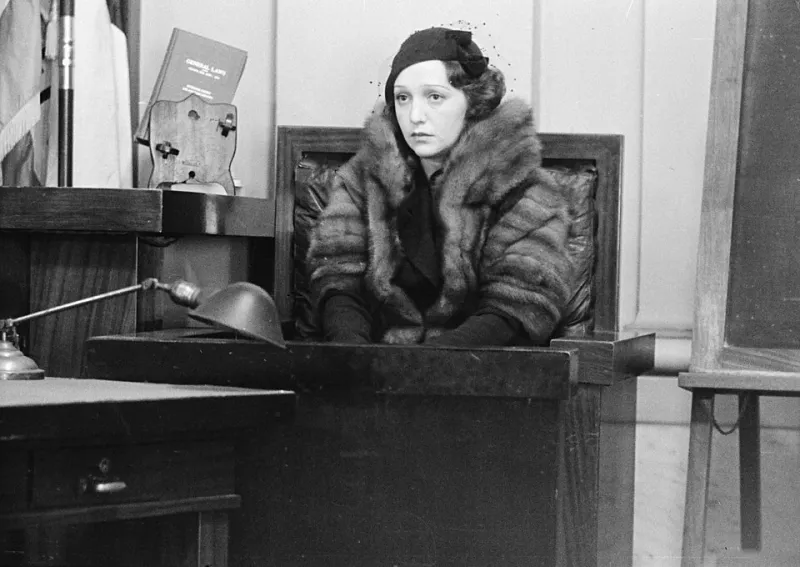
Photo: Los Angeles Daily News, CC BY 4.0, via Wikimedia Commons
Most litigators treat the affidavit of service as the end of a task: the paper comes back signed, notarized, and filed, and the case moves forward. But in a meaningful percentage of contested matters — motions to quash, default judgment hearings, jurisdictional challenges — the affidavit is only the opening statement. The real testimony comes later, from the person who rang the doorbell.
When a process server is called to the stand, the validity of service, and sometimes the court's jurisdiction over the defendant, rests on that witness's recollection, demeanor, and documentation. Attorneys who treat server testimony as an afterthought often learn an expensive lesson.
Why Servers End Up Testifying
A defendant challenging service has a limited toolkit: claim the wrong person was served, dispute the date or location, or allege the server never attempted delivery at all. Under Rule 4 of the Federal Rules of Civil Procedure and its state analogues, once a properly executed affidavit is filed, it carries a presumption of validity. But that presumption can be rebutted, and rebuttal usually requires live testimony.
Common triggers for a server on the witness list include:
- A motion to quash service or dismiss for lack of personal jurisdiction
- A contested default judgment where the defendant denies receiving papers
- A claimed misidentification — the classic "that wasn't me" defense
- Disputes over serve timing in eviction or foreclosure matters with statutory deadlines
In each scenario, the server shifts from vendor to evidence. Everything about the serve — the time stamp, the description of the person served, the physical layout of the address — becomes fair game.
How Cross-Examination Attacks an Affidavit
Experienced defense counsel rarely argue that the affidavit is a fabrication outright. Instead, they chip at its edges. The most effective impeachment strategies include:
Recall erosion. Weeks or months may separate the serve from the hearing. Counsel will probe how a witness can remember one doorstep among hundreds: "You serve how many papers a week? And you remember this one specifically?" A credible server doesn't fight this — they explain why the serve was memorable or point to contemporaneous notes.
The documented-detail gap. If the affidavit says the defendant was served at 3:42 p.m., cross-examination will ask for corroboration: vehicle GPS, body camera footage, photographs of the residence, the court's own tracking data. A thin paper trail invites doubt; a thick one answers it before it's raised.
Identity through description. The server's physical description of the person served — height, approximate age, distinguishing features — becomes the battleground. A vague description ("a man") helps the challenger. A specific one ("a male in his sixties, gray beard, answered the door of a blue two-story with a wheelchair ramp") can end the dispute.
Incentive framing. Counsel may suggest the server is a repeat player with financial ties to the plaintiff's side, implying testimony is transactional. Servers who acknowledge their role plainly — "I'm paid for the serve, not the outcome" — tend to defuse this line quickly.
What Makes a Server Credible in a Judge's Eyes
Judges see a steady stream of service disputes, and they develop pattern recognition. The servers who hold up on the stand share consistent traits:
- Contemporaneous documentation. Notes taken the same day, GPS-stamped attempts, photos where lawful — evidence created at the time beats memory recreated later.
- Precision without inflation. Credible witnesses say "approximately" when they mean approximately and are candid about what they don't remember. Overconfidence reads as rehearsal.
- Procedural fluency. A server who can articulate the governing rule — substitute service requirements, the due diligence standard for nail-and-mail, who qualifies as a person of suitable age under the jurisdiction — signals professionalism to the bench.
- Neutral demeanor. Servers who seem invested in the litigation's outcome undercut themselves. The best testimony sounds like a report, not advocacy.
- A clean history. Prior substantiated complaints, license issues, or inconsistent affidavits across cases will surface. Vetting your server before the serve matters more than discovering problems after a motion to quash is filed.
Briefing Your Server Before the Hearing
Preparation is where attorneys earn their keep. A pre-testimony session should cover:
- Review the affidavit together. The witness must own every sentence. Any discrepancy between the affidavit and the server's memory needs to be addressed with counsel — not papered over.
- Walk through the serve chronologically. Have the server reconstruct the attempt from arrival to departure, including unsuccessful prior attempts. Chronology is the backbone of persuasive testimony.
- Refresh, don't script. Permissible preparation means reviewing records and anticipating questions. It does not mean putting words in a witness's mouth — judges detect that, and it destroys credibility.
- Explain the legal stakes in plain terms. A server who understands why the description of the person served matters will emphasize the right details naturally.
- Prepare for the subpoenas duces tecum. If the server is served with a subpoena for records — GPS logs, attempt sheets, correspondence — those documents should be reviewed and produced through counsel, not improvised on the stand.
Building Testimony-Ready Service Into Your Workflow
The practical takeaway for law firms is that service should be procured with the hearing in mind, even when no hearing is expected. Ask prospective servers pointed questions: Do they keep GPS and time-stamped attempt logs? Do they photograph the serve location where permitted? Can they produce a same-day narrative report? Do they carry professional liability coverage and maintain any state registration or licensing?
A serve performed to evidentiary standards costs little more than a casual one. A service quashed after a default judgment has been entered — with the case sent back to square one — costs everything.
At A2Z Process Service, we approach every serve as though a judge will one day ask the server to raise a hand and describe it. Because sometimes, that is exactly what happens.