After Dark, the Docket Doesn't Sleep: Inside the Overnight Rhythm of Professional Process Serving

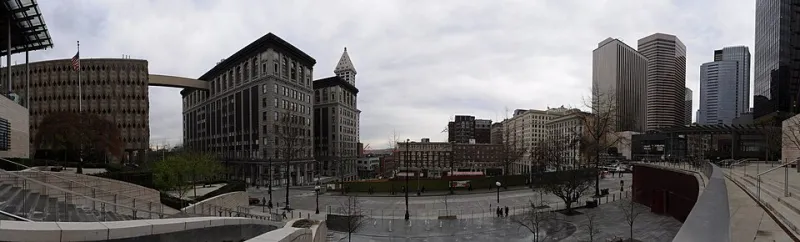
Photo: Wilfredor, CC BY-SA 4.0, via Wikimedia Commons
By most measures, the American legal system keeps business hours. Clerks lock their doors at five, courthouses go dark, and dockets wait until morning. But the people those dockets name — defendants, witnesses, respondents — do not clock out at the close of business. They work second shifts, they commute at odd hours, and they are, not surprisingly, hardest to find when a server arrives at a convenient time of day.
That mismatch between the court's schedule and the public's schedule is precisely why serious process service is a round-the-clock discipline. At A2Z Process Service, some of our most productive hours happen long after the last filing has been accepted and the lobby doors have closed.
Why Evening Attempts Succeed When Daytime Attempts Fail
Service of process is fundamentally a pursuit of availability. A defendant who dodges a server at noon may have no choice but to be home at nine at night. Shift workers in hospitals, warehouses, and distribution centers across the country follow inverted schedules — asleep at midday, awake and approachable after dark.
Professional servers learn to read these patterns quickly. A vehicle that never moves during business hours but appears in the driveway at 7:30 p.m. tells an experienced server everything they need to know about when to return. Multiple failed daytime attempts are not necessarily a dead end; they are often evidence that the next attempt should begin at dusk.
There is also a psychological dimension. At the doorstep, evenings tend to be calmer. The chaos of morning departures and school runs is gone, and many recipients accept documents with less friction simply because they are not racing somewhere else.
The Stakeout: Patience as a Professional Skill
When a subject is actively evasive, service moves from a knock-and-leave exercise to a genuine investigation. This is where the night shift earns its reputation.
A typical stakeout begins before sunset. The server positions discreetly, confirms the residence or workplace, and waits. Hours can pass without activity. The discipline lies in staying alert through the dull stretches, because the window of opportunity is often measured in seconds — a garage door, a porch light, a car pulling in.
Modern tools have changed the texture of this work without changing its nature. GPS-verified attempts, time-stamped logs, and documented observations give attorneys a defensible record of every effort. But no technology substitutes for a trained professional sitting quietly in the dark, watching a door.
Coordinating with Attorneys Whose Clocks Start at 9 a.m.
Here lies the central paradox of the overnight serve: the work happens at night, but its value is measured in the morning. A defendant served at 10:45 p.m. starts a response clock that an attorney must track from the first coffee of the next business day. An affidavit completed overnight can support an emergency filing by nine.
That is why communication is as important as persistence. A nationwide firm operating on a true 24/7 basis does more than attempt service after hours — it reports after hours. Attorneys handling time-sensitive matters, from temporary restraining orders to eviction timelines, need to know the status of a serve before the courthouse reopens, not twelve hours later.
When evaluating providers, this is a question worth asking directly: if an attempt happens at 11 p.m., when will I know about it? The difference between a part-time server who updates files the next afternoon and a professional operation that logs, documents, and notifies in real time can be the difference between meeting a deadline and explaining to a client why one was missed.
What 24/7 Availability Actually Means
Plenty of providers advertise around-the-clock service. Fewer deliver it. Genuine 24/7 operation shows up in specific, verifiable ways:
- Night and weekend attempts by default, not by special request, when daytime service has failed.
- Coverage that travels with the case, so a subject who relocates across state lines does not stall the matter.
- Affidavits prepared promptly, because an overnight serve that cannot be documented by morning has lost half its value.
- Staffed intake, so a paralegal calling at 6 a.m. before a hearing reaches a person, not a voicemail.
For law firms managing multi-jurisdiction litigation, this matters doubly. A single national standard of availability and documentation is far easier to rely on than a patchwork of local vendors with unpredictable hours and inconsistent reporting.
Respect After Dark
One final note on how professional night work is done. Serving papers after hours demands heightened judgment. Servers must be certain of identification, mindful of noise and privacy, and prepared to de-escalate if a late-evening encounter catches a recipient off guard. The goal is always the same: complete service lawfully, document it thoroughly, and leave every party — including the person served — treated with dignity.
The courthouse sleeps. The deadlines do not. For attorneys who need service of process, court filing, or skip tracing that keeps pace with the people on the other side of the docket, the night shift is not an after-hours novelty. It is simply part of the job — done properly, around the clock, coast to coast.