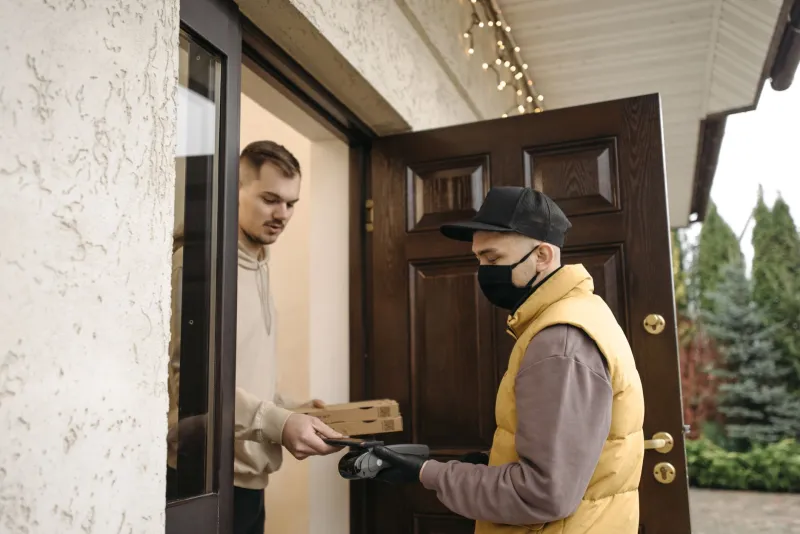
Timing Is Everything: The Patchwork Rules That Decide When a Serve Counts

Ask a dozen attorneys when a process server may legally knock on a door, and you will likely hear a dozen different answers. That is not because anyone is careless — it is because the United States has no single answer. Timing rules for service of process are set state by state, and in some cases county by county, creating a regulatory patchwork that can trip up even seasoned litigators.
For a nationwide legal support practice, tracking these variations is not an academic exercise. It is the difference between an affidavit that holds up and a motion to quash that costs your client months of litigation momentum.
The Sunday Question
Perhaps the most well-known quirk in American service law is the prohibition on Sunday serves. Several states — including Virginia, Tennessee, and Texas in most circumstances — restrict or outright bar service on Sundays, often with exceptions for actions involving protective orders or emergency relief.
Other states take the opposite approach. In much of the Northeast and Midwest, Sunday service is perfectly permissible, and some servers prefer it: defendants who dodge daytime attempts are frequently home and answerable on a weekend morning.
The lesson is simple but frequently ignored: never assume your home state's rules travel with your case. A serve strategy that is routine in Chicago may be a nullity in Richmond.
Late-Night Windows and Curfew-Style Limits
Few states impose explicit curfews on process servers, but several do constrain the hours during which service may be attempted. Florida, for example, restricts serves in certain contexts to reasonable hours, and courts in multiple jurisdictions have quashed service where a late-night attempt was deemed to violate due process notions of fairness or local ordinance.
Even where no statute speaks, the reasonableness standard looms large. A knock at 5:45 a.m. may be defensible; a knock at 11:30 p.m. invites judicial skepticism. Professional servers document not only the date but the time of each attempt for precisely this reason.
Holidays, Court Closures, and Constructive Timing
State holidays present a subtler trap. While service on a holiday is legal in many jurisdictions, filing deadlines triggered by service are not. A serve completed the Friday before a three-day holiday weekend effectively shortens the defendant's response window in practice, and opposing counsel will not hesitate to raise it.
Gated communities and secured buildings add another layer. Access regulations — increasingly common under state laws governing residential communities — can render an attempted serve legally ineffective if the server never reached the defendant. Knowing which jurisdictions allow servers to accompany residents, contact management, or request alternative service is essential to avoiding a string of futile attempts.
A Pre-Serve Timing Checklist
Before authorizing service in any jurisdiction, we recommend counsel confirm the following:
- Sunday status. Does the state prohibit or restrict weekend service? Are there exceptions relevant to your case type?
- Hour restrictions. Are there local ordinances or reasonableness standards that constrain evening or early-morning attempts?
- Holiday calendar. Which state and federal holidays fall within the service and response window?
- Access rules. What are the laws governing gated communities, apartment complexes, and secured buildings in that jurisdiction?
- Documentation standards. Will your server record date, time, and location for every attempt, so timing can be affirmatively proven rather than merely asserted?
Why This Belongs in Your Intake Process
Timing violations rarely surface at the moment of service. They surface weeks later, in a motion to quash, when the damage is already done. Building a timing review into case intake — or partnering with a nationwide service provider that maintains current knowledge of jurisdictional rules — converts a hidden risk into a routine check.
Service of process is the foundation on which personal jurisdiction rests. The rules governing when that service happens deserve the same rigor you apply to how it happens.