2,000 Miles, One Affidavit: The Untold Journey of a Cross-Country Serve
When a Manhattan family law associate emails a service request at 4:47 p.m. on a Tuesday, the file that leaves her inbox carries more weight than she might imagine. Inside are divorce summons and a petition destined for a respondent who, per the last known address on file, lives somewhere along a gravel road outside Bozeman, Montana — nearly 2,100 miles from the courthouse where the case was filed.
For attorneys who have never watched a serve unfold from the field side, here is how that document travels from A to Z.
Intake: Where Most Cases Are Won or Lost
Before anyone grabs a clipboard, the receiving agency verifies the essentials: the exact documents, the court, the deadline for service, and whether Montana requires a licensed or registered server. Cross-border serves demand this diligence because rules of civil procedure are not interchangeable. New York deadlines mean nothing if the Montana server missteps on method or documentation.
The intake also flags the challenge early: the respondent's address traces to a rural route with no house numbers, the kind of detail that separates a national provider with vetted local affiliates from a generalist who guesses.
The Attempt Log Begins
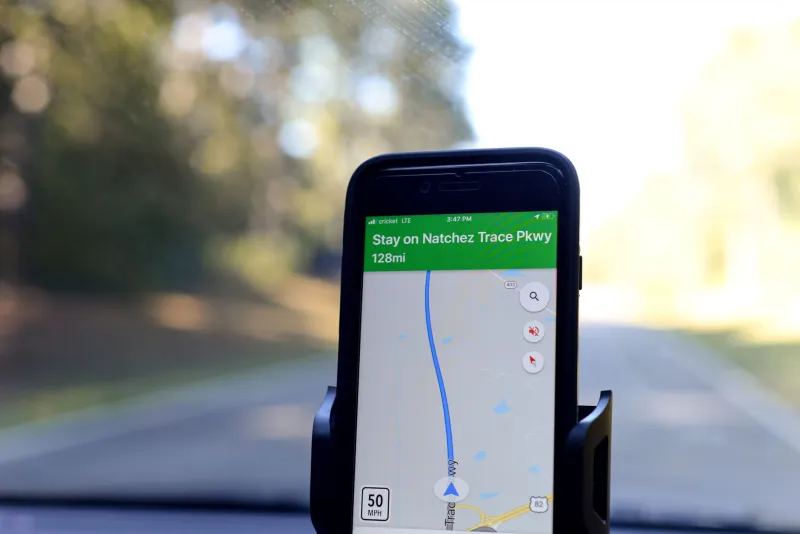
Service is a discipline of documentation. Mileage logs record every leg from the affiliate's home base to the target address. GPS stamps on each attempt create a verifiable timeline — a standard of proof that has quietly become the industry norm.
Attempt one lands on a Thursday at 11:20 a.m. No vehicle in the driveway. Attempt two comes Saturday at dusk, a window chosen because rural respondents with weekday jobs are typically home in the evening. The porch light is on; nobody answers.
The Stakeout
Evasive recipients are common in family law matters, and this file behaves accordingly. A neighbor's SUV suggests the respondent is home. The server's affiliate schedules a stakeout — legal, non-confrontational, and patient.
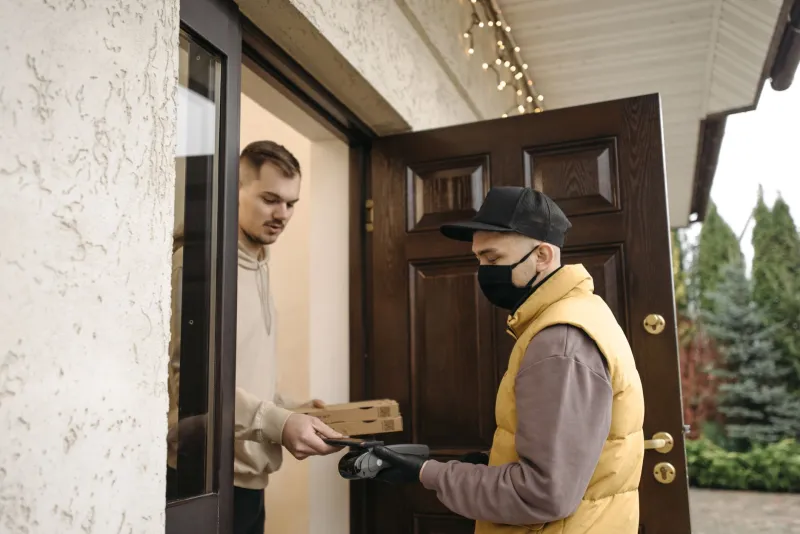
On the fourth day, at 7:05 a.m., a pickup rolls out of the drive. The server approaches, confirms identity, and effects personal service before the engine finishes warming up. Total time from intake to serve: nine days, four attempts, one early-morning stakeout.
The Paperwork That Closes the Loop
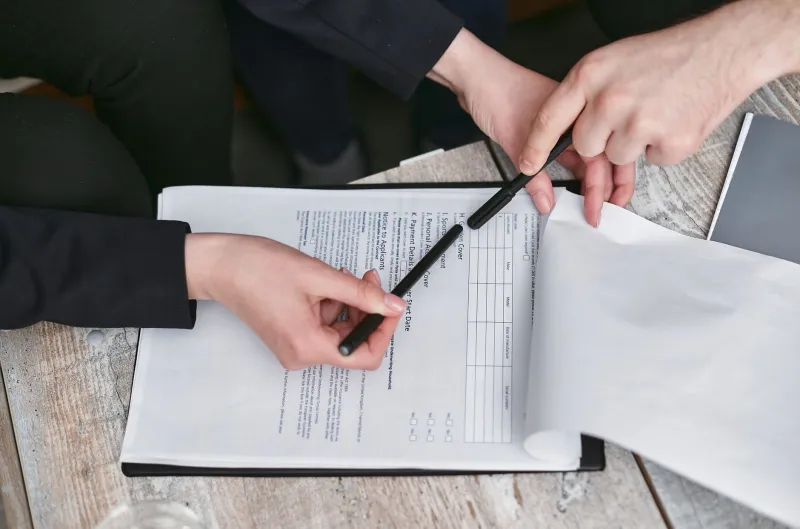
The serve itself is only half the job. The Montana affiliate completes a proof of service / affidavit detailing date, time, location, physical description of the person served, and method of service — then returns it with the GPS-verified attempt log attached. The New York firm files it with the court, and the clock on the respondent's answer period begins.
Why Coast-to-Coast Coverage Matters
A single serve across state lines touches at least three professionals, two sets of procedural rules, and a documentation chain that must survive judicial scrutiny. Firms that rely on a national provider with standardized reporting — rather than a patchwork of strangers found through search engines — get consistency: one point of contact, uniform status updates, and affidavits formatted to withstand challenge.
Serving justice coast to coast is not a slogan. It is a supply chain, and every affidavit tells the story of how well it ran.