The Paper Trail of a Person Who Disappeared on Purpose: Modern Skip Tracing in the Remote-Work Age
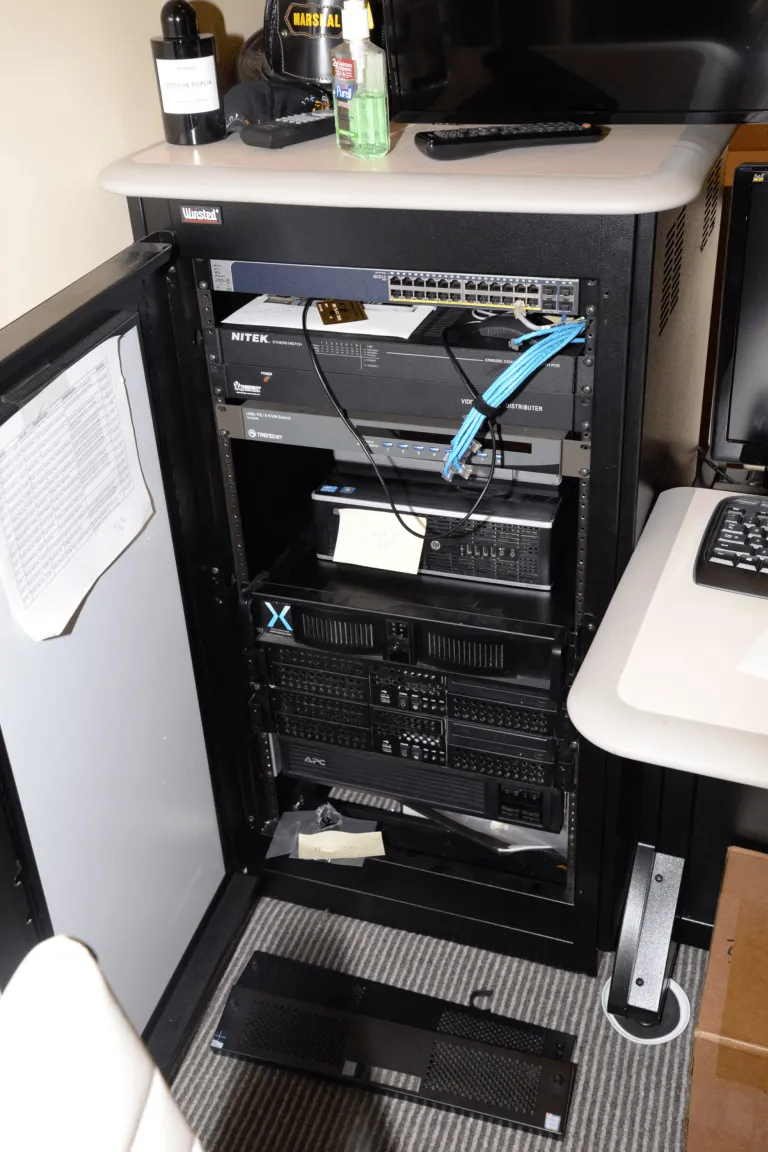
Photo: Federal Bureau of Investigation, Public domain, via Wikimedia Commons
A decade ago, finding a person meant finding a place. People had a home, a workplace, a landline, and a paper trail that followed them like a shadow. Today's evasive defendant — or the merely elusive one — can be far harder to pin down. They work remotely from a relative's guest room, forward their mail to a virtual mailbox, and pay for everything with cards that never appear on a credit header.
For attorneys, this shift has real consequences. A defendant who cannot be located cannot be served, and a defendant who cannot be served cannot be moved against. But in our experience at A2Z Process Service, the gap between "hard to serve" and "impossible to find" is almost always a gap in strategy, not in information.
Why the Old Playbook Stopped Working
The classic skip trace leaned on three pillars: a current address, an employer, and a phone number. Each one has weakened.
Remote work dissolved the employer anchor. A plaintiff's attorney can no longer count on a workplace serve, because the "workplace" may be a coffee shop that changes weekly. Mail forwarding through commercial services masks residential addresses. And the decline of landlines means many people exist in consumer databases only as a disconnected number and a stale ZIP code.
Add voluntary mobility — the digital nomad who genuinely lives out of a suitcase — and you get what we call the modern ghost: someone who has not necessarily hidden, but who has simply stopped generating the records that traditional locates depend on.
Start Where the Ghost Still Has Bills
People can opt out of many databases, but they cannot opt out of daily life. Our tracers begin with the obligations that follow a person regardless of address:
- Utility and municipal records. Water, electric, and trash service require a service address. In many jurisdictions, portions of this data are accessible through public records requests or are already reflected in licensed data aggregators.
- Professional and occupational licensing. A nurse, realtor, contractor, or CPA must renew a license with a current address — often a home address — on file with a state board.
- Vehicle registrations and voter rolls. States vary widely in access, but where available, these records are among the most current indicators of where someone actually sleeps.
- Court and probate records. Divorce filings, small claims actions, and estate matters routinely surface relatives, prior addresses, and even new spouses.
The point is not any single record. It is the triangulation. One source suggests; three sources that agree confirm.
Reading the Digital Breadcrumbs
Social media is often dismissed as noise, but treated carefully, it is a locating tool of the first order. A birthday post from a cousin in Tucson. A marketplace listing with a partial address in the photo background. A fitness studio tagged in three consecutive check-ins. None of these prove residence on their own — but each generates a lead worth verifying against harder records.
Professional tracers also watch for the subtle tells of evasion: a profile that goes quiet the week after a lawsuit is filed, a sudden burst of activity from a new city, or a friend list that shifts geographically. Evasion leaves a pattern, and patterns can be worked.
Hard to Serve Is Not Impossible to Find
Here is the distinction that matters most for counsel. A subject can be fully locatable and still be genuinely difficult to serve — gated buildings, porch cameras, a work schedule that keeps them away from home. Conversely, a subject can answer the door readily once you know where the door is.
Conflating the two wastes money. Law firms sometimes order repeated serve attempts at a stale address when the real problem is upstream: the address itself was never verified. Our recommendation is almost always to invest in a thorough trace before the first attempt, not after three failed ones. A verified address with a documented chain of sources — utility record, license renewal, corroborating social data — also produces a stronger affidavit and a more defensible service if the defense later moves to quash.
A Word on Boundaries
Legitimate skip tracing operates inside firm lines. We do not pretext into financial accounts, misrepresent ourselves to obtain protected information, or touch data governed by the GLBA or DPPA without a permissible purpose. Attorneys should ask any prospective vendor exactly which data sources they use and how they document them. A tracer who cannot answer that question cleanly is a liability wearing a badge.
The Takeaway for Your Case
The modern ghost is elusive, not invisible. The records exist; the discipline is knowing where to look and how to corroborate. If you have a subject who has gone dark — an heir, a defendant, a witness — bring the file to a professional tracer before the docket clock makes the problem urgent. At A2Z Process Service, we treat location as the first step of service, not a separate chore, and our nationwide network means the trail can pick up in any of the fifty states.
Hard to serve and impossible to find are two different problems. With the right strategy, neither one has to stop your case.