The Human Side of the Handoff: De-escalation at the Doorstep
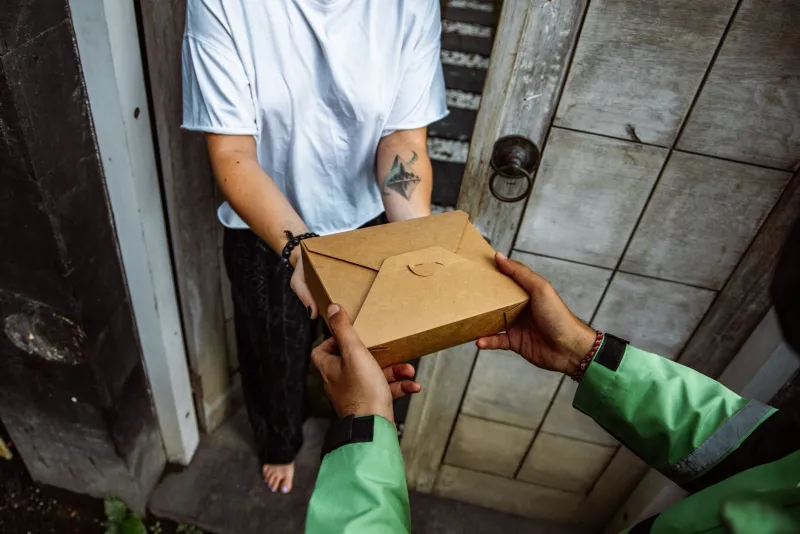
Ask most people what a process server does and you will get a technical answer: delivers court papers, files an affidavit, moves on. What the job actually involves, in the moments between the knock and the signature, is something closer to crisis work. Process servers regularly arrive at the worst days of people's lives — evictions in progress, marriages dissolving, lawsuits landing unannounced — and they must do their work calmly, lawfully, and safely before driving to the next address.
It is time the profession's people skills got the same attention as its paperwork.
Papers That Arrive at the Worst Possible Moment
No one is ever happy to see a process server. That is not cynicism; it is structural. The documents being delivered — summons, petitions, notices — almost always announce something unwelcome. An eviction notice means a family may be losing its home within days. Divorce papers, handed to a spouse who may not have seen them coming, can trigger shock, anger, or grief on the spot. A debt collection summons can land on someone already stretched to the breaking point.
The server is not the author of the bad news, but they are its messenger, and research on human psychology is unambiguous: people shoot the messenger.
Reading the Doorstep Before Knocking
Experienced servers describe the job as half observation, half delivery. Before approaching a door, a professional takes in the scene: vehicles in the driveway, sounds from inside, the condition of the property, whether anyone is watching from a window. Servers who have worked a region for years develop pattern recognition for volatile situations — and the judgment to withdraw and return later rather than force a confrontation.
That judgment is the first and most important de-escalation tool. Timing matters. A serve attempted during a heated argument through the front door is a serve likely to fail, or worse. Coming back the next morning, when routines are calmer, often accomplishes in thirty seconds what an aggressive approach could not accomplish in an hour.
The De-escalation Playbook
Professional servers are, in effect, trained in applied de-escalation. The core techniques are consistent across the field:
- Neutral, steady tone. Servers avoid legal jargon and emotional language. The script is simple: who they are, that documents are being delivered, and nothing more. Engaging in debate about the case itself is both unprofessional and unsafe.
- Non-threatening body language. Hands visible, distance maintained, no sudden movements. A stack of papers held loosely signals far less threat than anything resembling a lunge.
- Accepting refusal without argument. In many jurisdictions, papers may simply be left or placed near the person after identification; a server who argues turns a lawful delivery into a street dispute.
- Knowing when to leave. If a situation turns threatening, the professional move is withdrawal. Documents can be served another day or by another authorized method. No affidavit is worth an injury.
Evictions: Where the Stakes Are Highest
Few assignments carry the emotional weight of eviction-related service. Servers in this space describe delivering notices to tenants who beg, argue, or simply weep. The professional standard is compassion without capitulation: acknowledge the difficulty of the moment, remain courteous, complete the service accurately, and document everything. The server has no authority over the outcome — only over the integrity of the process.
That integrity matters more, not less, when emotions run high. A sloppy or hostile service in an eviction case invites challenges that can delay housing court proceedings and harm every party, including the tenant who deserves a fair hearing.
Safety Is a Procedure, Not a Personality Trait
It is tempting to frame de-escalation as a matter of temperament — some people are just good with others. In reality, the best firms treat it as procedure: training in conflict recognition, protocols for dangerous addresses, check-in requirements, and clear rules about when a serve is abandoned. Technology helps; GPS-verified attempts and digital logs mean a server who must retreat today has documented attempts supporting alternative service tomorrow.
Why This Matters to Attorneys
Law firms rarely see the doorstep. They see the affidavit. But the quality of that human interaction directly affects the quality of the legal record — a calm, professional serve is less likely to be contested, less likely to generate complaints, and more likely to hold up when challenged. When selecting a service provider, attorneys are right to ask about licensing, coverage, and documentation. They should also ask about training in conflict management and safety.
The papers are the product. The people skills are the profession. A2Z Process Service holds both to the same standard — because serving justice, coast to coast, means treating every doorstep, and every person behind it, with respect.