Curtains, Headlights, and Hesitation: The Quiet Language Every Veteran Server Learns to Speak
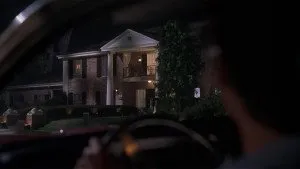
Photo: process server waiting in car observing house suburban street, via images.cdn-files-a.com
Ask a veteran process server what happened on a difficult serve, and the answer rarely begins with the knock. It begins earlier — with a parked car angled toward the street, a porch light that snapped off at the wrong moment, a silhouette that drifted past a window and didn't come back. To the untrained eye, these details are background noise. To a server with a few thousand attempts behind them, they're a running narrative about what happens next.
For attorneys and firm administrators, this observational skill is easy to overlook. Service of process is often priced like a commodity — a flat fee, a deadline, an affidavit. But the difference between a server who completes three attempts and a server who completes the right three attempts frequently comes down to how well that person reads the environment before making contact.
The Driveway Tells You More Than the Doorbell
Vehicle positioning is one of the most reliable signals in the field. A car backed into a driveway, rather than pulled in nose-first, often suggests a driver who wants a fast exit — a small detail, but one that correlates with a general orientation toward caution. A second vehicle registered to a different household, parked overnight in a guest spot, can indicate that a recipient is expecting company or has visitors who may answer the door.
Experienced servers also track what's absent. A driveway empty at 7:15 a.m. on a weekday tells a different story than the same driveway empty at 11 a.m. on a Sunday. The first suggests the subject has already left for work; the second may suggest deliberate absence. Good servers log these patterns across attempts, building a behavioral profile that no single visit could produce.
Porch Lights, Curtains, and the Choreography of Avoidance
Residential service has its own vocabulary of evasion, and most of it is nonverbal:
- The light switch. A porch light that turns off seconds after a server approaches usually means someone inside is watching and deciding. That's not a failed attempt — it's confirmation of occupancy, which has real evidentiary value.
- The curtain twitch. Movement behind glass that stops the moment the server looks directly at it is among the most common tells. It confirms the subject is home, awake, and aware.
- The peephole pause. A long silence after a knock, followed by no answer, is different from a quick non-answer. Hesitation suggests deliberation — someone standing on the other side, weighing whether to open.
- The television flicker. A blue glow behind blinds at midday, paired with a car in the driveway, paints a fairly complete picture even when the door never opens.
None of these observations, on their own, complete a serve. But collectively, they shape strategy: when to return, whether a morning attempt beats an evening one, whether the recipient is the kind of person who answers the door for a delivery but not for a stranger.
Why This Matters to the Attorney Retaining the Server
Litigators tend to evaluate process servers on outcomes: served or not served, on time or not. But the quality of the observation record matters nearly as much. When a motion to quash is on the table, an affidavit backed by detailed, consistent attempt notes — times, vehicle descriptions, occupancy indicators — reads very differently from a bare-bones declaration. A judge reviewing a service challenge is weighing credibility, and credibility is built from specifics.
There's also an efficiency argument. A server who can read a property correctly on attempt one will often complete service by attempt three. A server who can't may burn five attempts knocking on the wrong door at the wrong hours, and the client pays for every one of them.
The Line Between Observation and Overreach
Professional judgment extends to restraint, too. Reading body language is not the same as pretexting beyond legal limits, misrepresenting one's purpose, or engaging in surveillance that a jurisdiction prohibits. Reputable providers train their servers on state-specific rules — including restrictions in some states on service on Sundays or holidays, and requirements about who may be served at a residence. The skill lies in collecting lawful, observable information and knowing where the boundary sits.
What Firms Should Ask For
When vetting a provider, attorneys can surface this expertise with a few pointed questions: What do your attempt notes include? How do you document occupancy indicators? Can you explain your strategy for adapting timing across attempts? A server who answers in specifics — describing light patterns, vehicle behavior, and return tactics — is a server who has genuinely learned the craft.
Service of process looks simple from the outside: drive, knock, hand over papers, file an affidavit. In practice, it is a discipline of observation. The best servers aren't just delivering documents; they're interpreting a scene, anticipating behavior, and building a record that will hold up when it's challenged. Attorneys who recognize that — and hire for it — get more than a completed serve. They get a cleaner record, a stronger file, and fewer surprises down the road.